Cracking the Nut: How Partnerships, Digital Technology and AUXFIN’s G50 Approach Enable Sustainable Lending to Smallholders in a Fragile Context


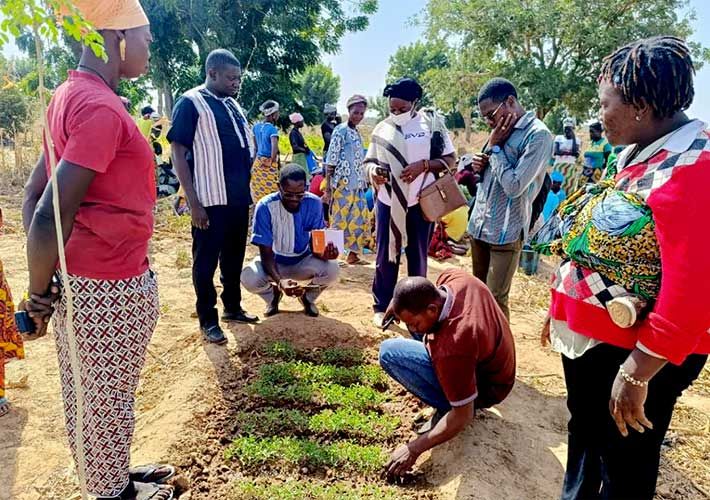
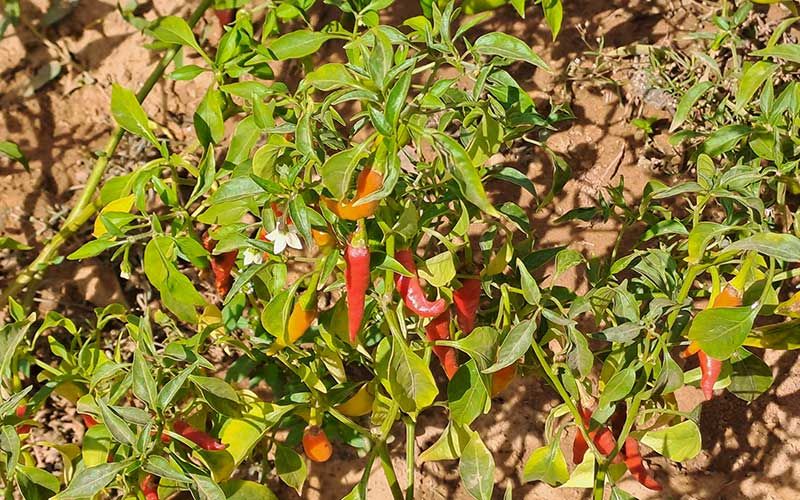
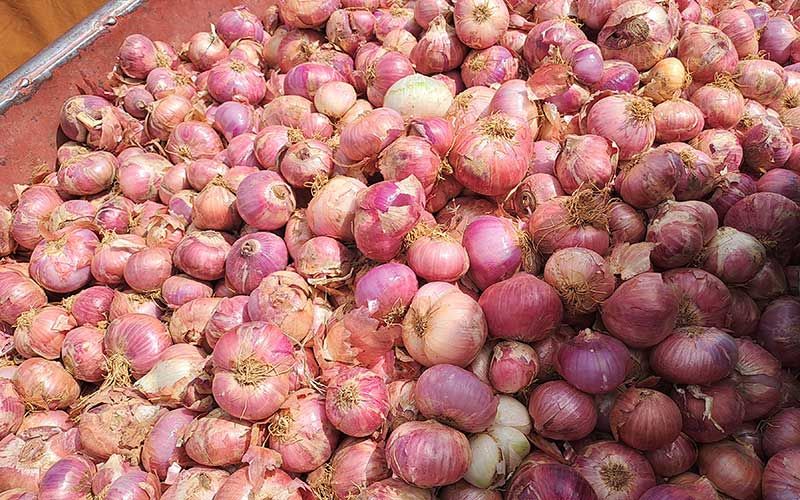
Would you lend €100 to a smallholder horticulture farmer in the Sahel—someone facing climate change, limited access to inputs, insecurity and volatile market prices? And would you lend to thousands of them?
For many, the answer would be a clear no-go.
Yet the Hortiplus project in Burkina Faso has shown that, under the right conditions, lending to smallholders in a fragile context can be both possible and sustainable—and is now ready for scaling.
Funded by the Embassy of the Netherlands in Burkina Faso and implemented by a consortium of five partners—Advance Consulting, AUXFIN, Agrodev, Agriterra and Sense—the project put in place the conditions to have Prodia and Safine, two microfinance institutions, embark on an adventure to prove a new approach to agricultural finance.
The result: €82,000 in credit was provided to 818 farmers, organised in groups following AUXFIN’s G50 approach and connected to the Universal Method of Value Access digital platform for registration, services, capacity building and market access. The loans enabled farmers to access good-quality seeds, fertiliser and agricultural equipment.
So, what made the difference?
Reducing risk through organisation, knowledge and partnerships
Several elements came together to reduce the risks normally associated with lending to smallholder farmers:
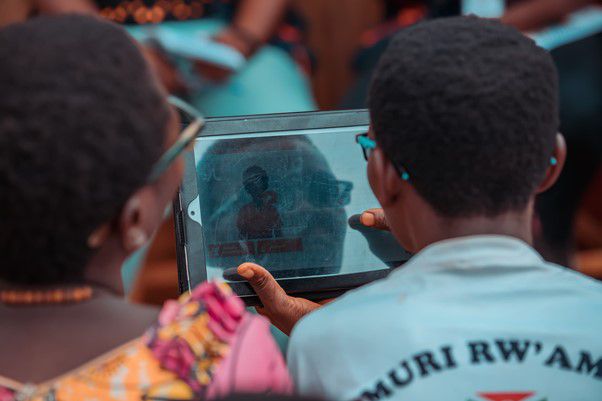
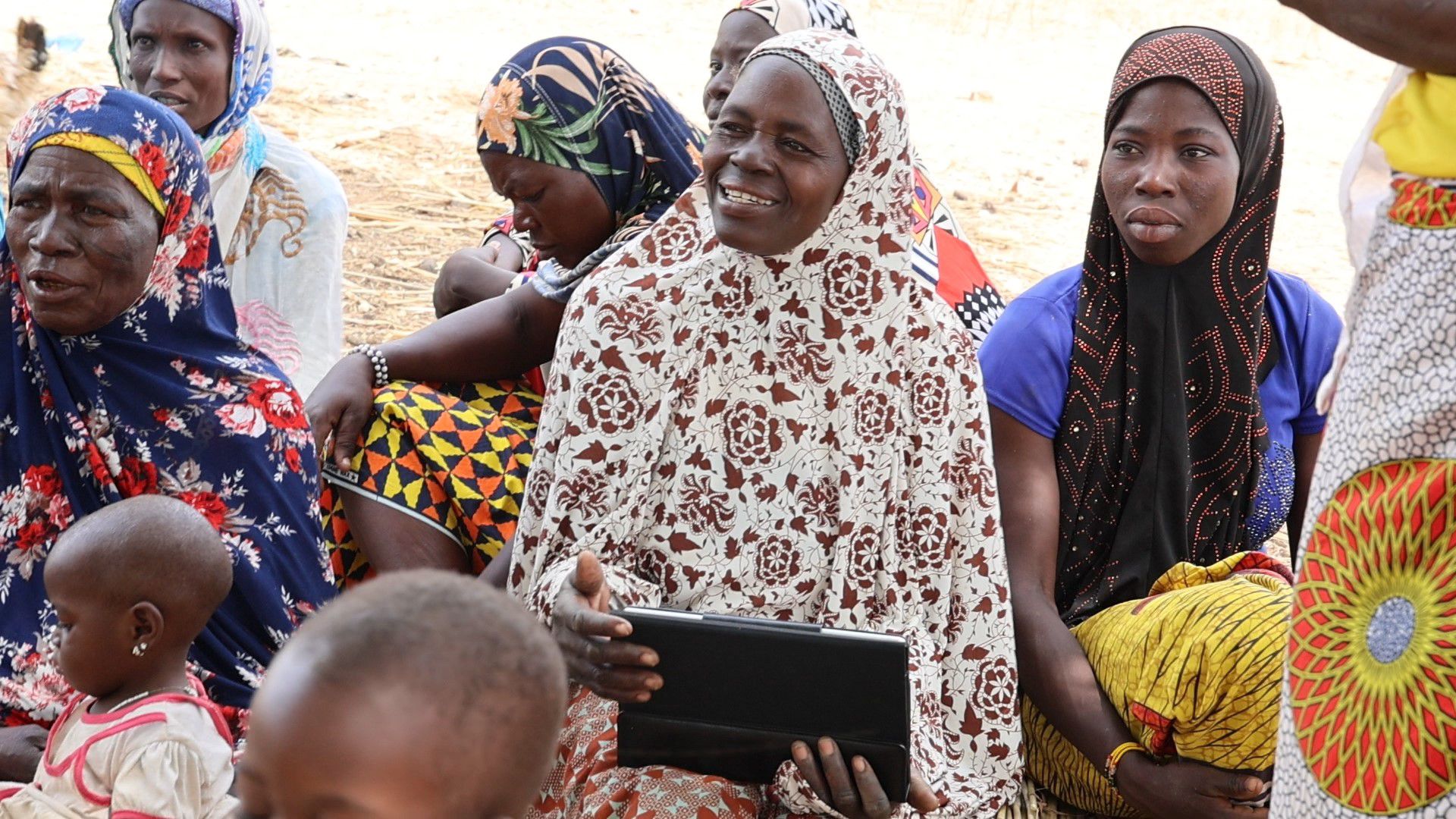
- They are identified, registered and well-governed. Each group has access to a collectively managed tablet, strengthening organisation, transparency and access to digital services.
- They use the digital AgriCoach to make better production decisions. Farmers can select suitable crops, access good agricultural practice videos and consult optimal activity calendars—helping them understand not only what to grow, but also how and when to grow it.
- They use FinanceCoach to strengthen financial literacy. The digital tool helps farmers understand financial planning and savings, as well as the responsibilities and implications of taking out a loan from a microfinance institution.
- They benefit from a network of strategic partnerships. Through Hortiplus partners, farmers gained access to expert knowledge, input suppliers and market linkages with off-takers, including strong cooperatives.
Together, these elements helped address some of the key risks that normally make agricultural lending unattractive to financial institutions.
A flywheel to unlock agricultural finance
The challenge remained significant. Burkina Faso has a relatively high non-performing loan ratio, well above the Central Bank's target of keeping it below 3%. At the same time, agricultural lending is widely perceived as particularly risky.
To give the microfinance institutions Prodia and Safine the confidence to enter this market, the Hortiplus consortium introduced a risk-sharing mechanism: a deposit was maintained with the institutions to absorb potential first losses.
This created a flywheel. By reducing the financial institutions' initial exposure, it enabled them to test lending to organised smallholder groups while generating evidence on the actual level of risk.
The results speak for themselves
The results were remarkable.While overall non-performing loans in the microfinance sector are estimated at around 7–9%, and agricultural lending is often avoided because of its perceived risk, 39 of the 50 groups repaid their loans as agreed. One group defaulted completely and ten groups experienced minor difficulties, resulting in a final non-performing loan rate of 3.4%.
Importantly, analysis shows that a significant part of this 3.4% could potentially have been avoided through better and more timely communication between the microfinance institutions and the farmers. This communication will now be reinforced by deploying dedicated local language videos on the platform. Moreover, recovery is still expected from the groups, which have demonstrated a strong willingness to clear their outstanding debts.
From proof of concept to scale
The experience provides an encouraging message: smallholder agricultural lending in a fragile context does not have to be a no-go.
When organised farmers are equipped with the right digital tools, financial literacy, agricultural knowledge, market access and strong partnerships—and when financial institutions have an appropriate risk-sharing mechanism—the equation can change.
With the deposit remunerated, the risk-sharing mechanism remains fully positioned to support further lending. And the ingredients for scaling are already in place: committed partners, proven tools and AUXFIN's extensive network of G50 groups.
The next challenge is no longer to prove that the model can work, but to take what has been learned in Burkina Faso and bring sustainable agricultural finance to many more smallholder farmers.
More News
NTFPCoach pilot evaluation

New Evaluation Confirms AgriCoach is Transforming Smallholder Agriculture in Burkina Faso

AUXFIN Expands to Mozambique to Unlock Rural Potential Through Digital Innovation

AUXFIN Uganda and AVSI Partner to drive digital transformation in refugee communities

FishCoach: Transforming Aquaculture in Burundi

Strengthening Burundi’s Pig Value Chain

AUXFIN Joins the Netherlands–Uganda Trade & Investment Platform

FinanceCoach in Burkina Faso: Driving Financial Behaviour Change Among Smallholder Farmers

Cornelis Heesbeen steps back from the management team; Marco van Andel is appointed as CEO

AUXFIN Uganda Showcases Digital Solutions at the Food and Nutrition Security Marketplace in Uganda

AUXFIN Joins Changemakers at World Food Day 2025

Partnership Between Auxfin Uganda Limited and Agriterra

Digitalizing Farmers, Empowering Communities!
Discovering Eloy Mugisha, a Young Talent with a Promising Journey

Bean sowing demonstration at COOJ Mabayi

Uganda: Farmers’ Conference in Soroti on Digitalization
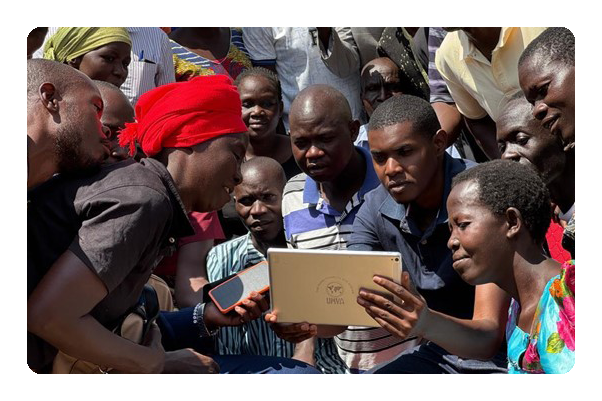
Success story of Boniface

Success story of Hakizimana Anesie from Rubagabaga
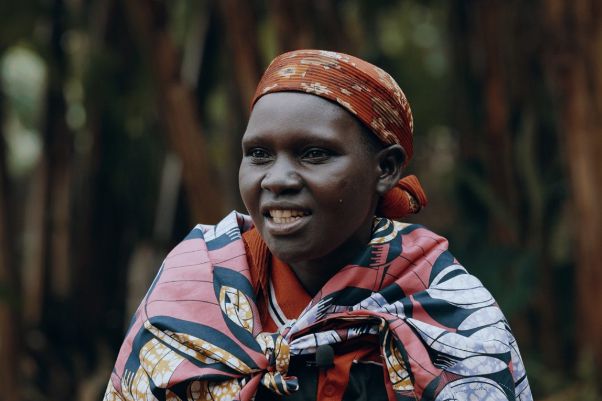
Success story of Ntirampeba Annonciate from Rubagabaga
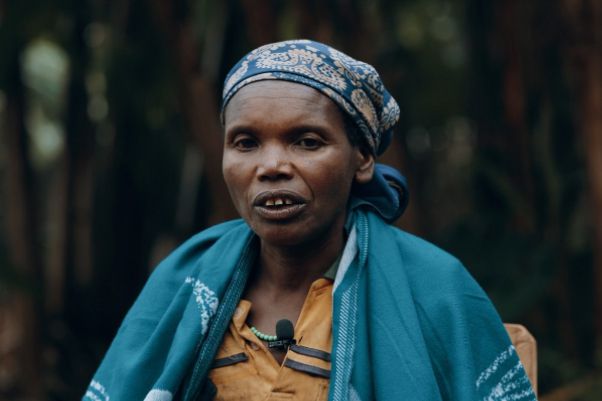
AUXFIN at the Money Harvest Expo with IFDC and Agriterra
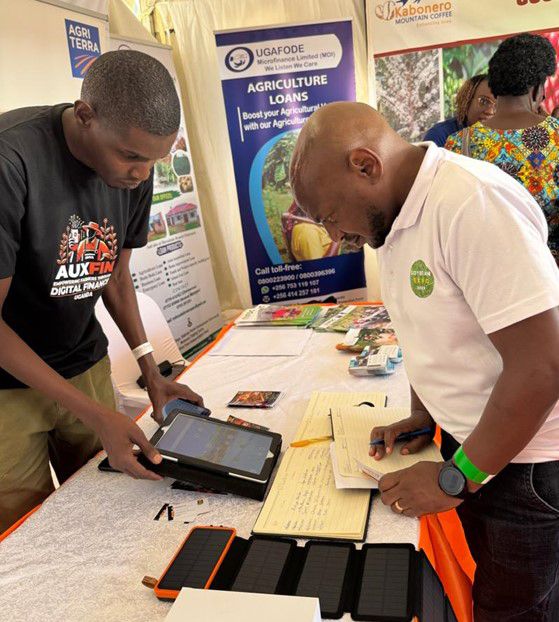
Success story of ADIDJA NDUWUMUKAMA from Province Makamba, Commune Makamba, Zone Nyange, Colline Nyankara, S/Colline : Bushuri -SSRCoach
Success story of NYANDWI COME from Province MAKAMBA, Commune Makamba, Zone Gisenyi, Colline Gasaka, Sous colline Gasaka, Groupe Gasaka Gr1-SSRCoach
Success story of NIZIGIYIMANA ANASTASIE from Province Makamba, Colline Canda, Zone Nyange, Group : Canda GR4 -SSRCoach
Celebrating a Year of Impact: Empowering Refugees through Digital Transformation
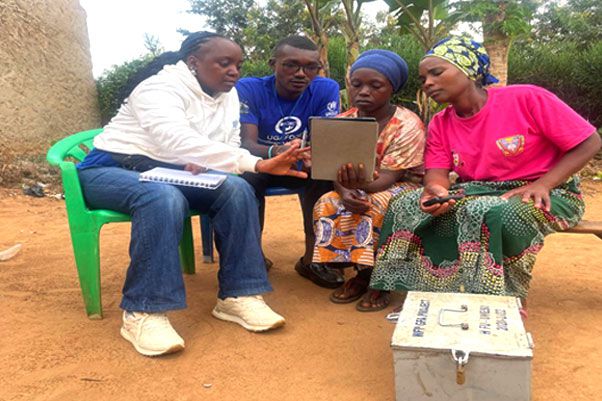
SSRCoach, the digital solution for better reproductive health and controlled births
AUXFIN Burkina Faso – Ready for expansion
Your support can bring hope and comfort to those suffering from the floods

Publication of AUXFIN Burundi status report 2022
Women's inclusion in digital technologies in Burundi

Success story of Munezero Arlette from Nyanza-lac commune -Finance Coach
Success story of Nzibanora Monique from Nyanza-lac commune -Finance Coach
Success story of Nicayenzi Gerard from Nyanza-lac commune -Finance Coach
Success story of Ciza Laurent from Nyanza-lac commune -Finance Coach
Success story of Ndikumagenge Audace from Nyanza-lac commune -Finance Coach
Success story of Yvette from Nyanza-lac commune -Nutrition Coach
Success story of Nahitanglye Emmanueline from Nyanza-lac commune -Nutrition Coach
Success story of Ndayishimiye Violette from Nyanza-lac commune -Nutrition Coach
The early impact of FinanceCoach in the G50s/Ruvumura gr1, Nyakeru Hill ,Mutoyi Zone in Gitega-Burundi
G50 as a solution to social cohesion in Projet-Gr1 (Nyanza-Lac/Makamba)
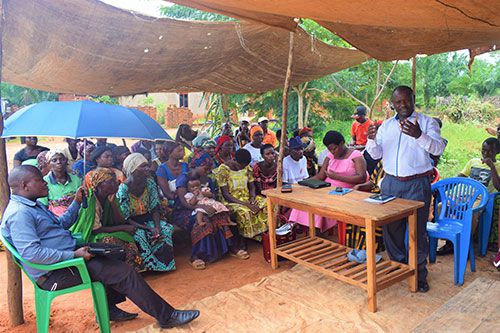
Connecting farmers to market :Sorghum value chain
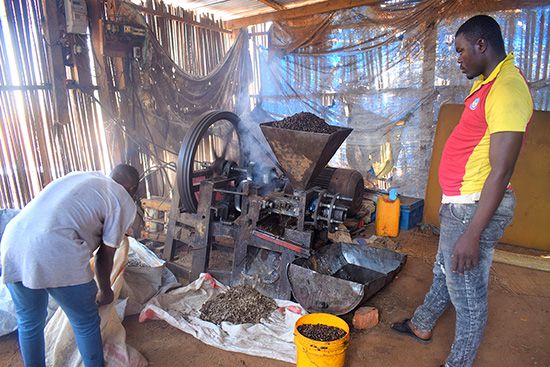
Development Projects within the G50s: Palm Oil production by Bogorwa Gr2/Nyanza-Lac
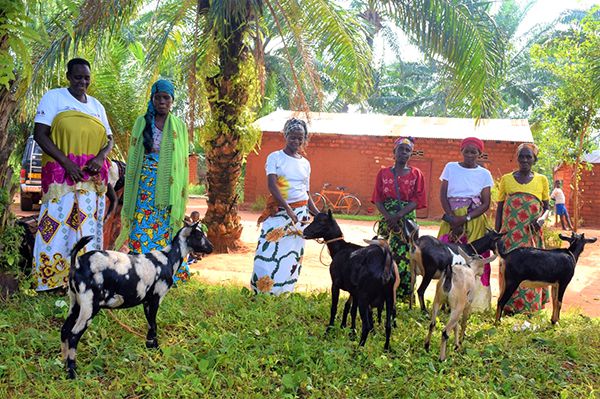
Development Projects within the G50s: Goats breeding by Nyabutare Gr1/Nyanza-Lac
Evelyne Manirambona (Kivoga gr2, Gitega)
The end of the GAP4ALL project
AUXFIN Burundi G50 status report
Field report interviews G50 groups March 2021
AgriCoach case studies 2020 - 2021
World Meteorological Day!


 Head Office: Tiel
 Email: info@auxfin.com